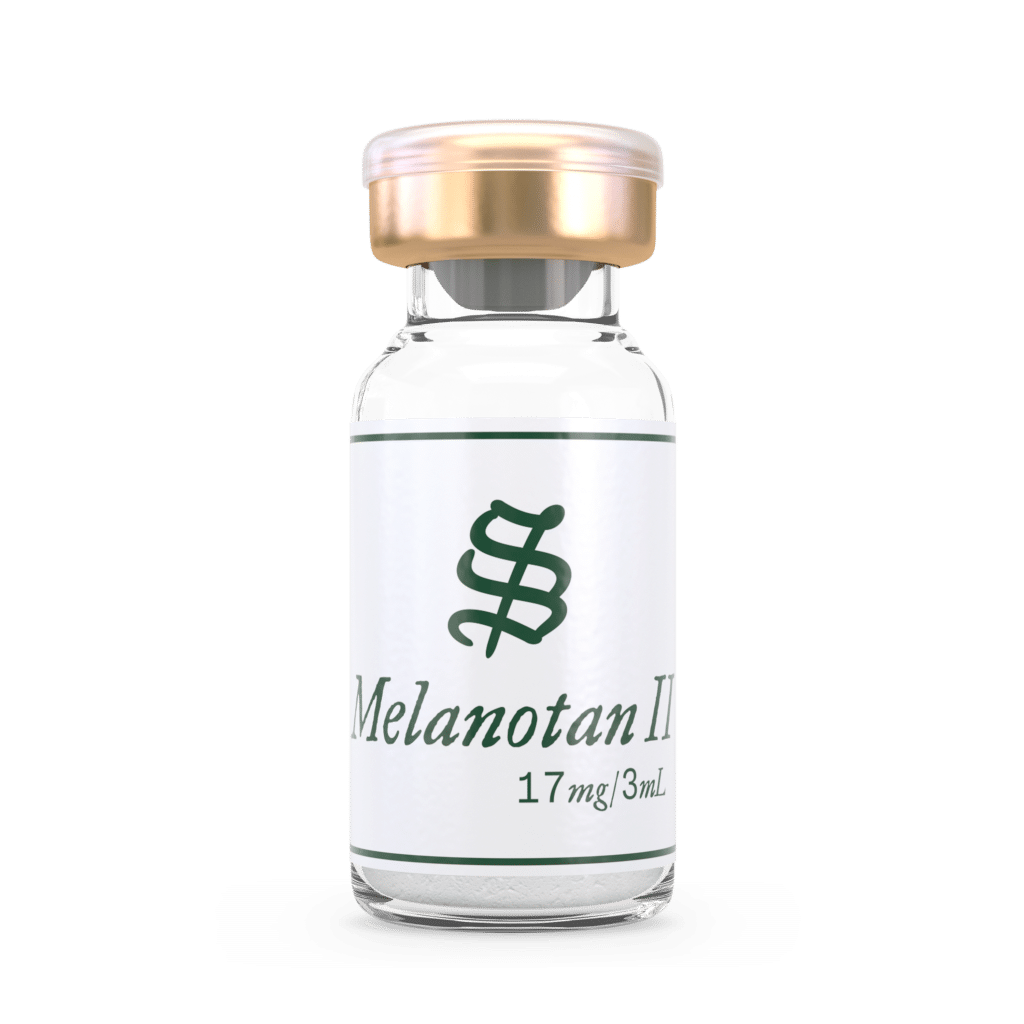
Improper reconstitution Shaking the vial, using non-sterile technique, or reconstituting with the wrong type or volume of water are errors that compromise the entire vial
Consuming Vitamin C ensures that the deeper layers of the lip tissue have the building blocks they need for collagen production
Documented Long-Term Side Effects of NSAIDs Regular or long-term NSAID use has been associated with: Damage to the gut lining, increasing intestinal permeability (leaky gut) and immune activation (27,29,31) Reduced absorption of key nutrients, including iron, folate, and vitamin C (28,29) Delayed tissue repair , particularly in connective tissue where prostaglandins are required for healing (32) Kidney stress and electrolyte imbalance , especially during dehydration or endurance activity (30) Increased cardiovascular risk , particularly with higher doses or prolonged exposure (30) These effects help explain why NSAIDs may temporarily reduce pain while progressively impairing healing capacity, increasing systemic inflammation, and slowing long-term recovery
Incretin receptor agonists, including tirzepatide, may potentially increase the risk of thyroid C-cell tumors based on findings in animal studies