RLS can result in (1): Problems getting to sleep or getting long periods of uninterrupted sleep Disrupting the sleep of others by moving or getting out of bed to walk Feeling fatigued or having a lack of alertness following a rough night Irritability, quick changes in mood, problems relating to people Problems with memory, concentration, or keeping sustained attention Mental depression or feeling anxious Symptoms of RLS People experience a wide range of RLS symptoms, though there are some commonalities(1, 3): The uncontrollable urge to move the legs when reclining Various sensations in the legs: itching, burning, aching, throbbing, crawling Relief can be immediately obtained by movement, walking, or putting body weight on the legs Symptoms get worse at night May include involuntary kicking or movement called "periodic limb movement of sleep Who's Most at Risk for RLS
Hydroxocobalamin and methylcobalamin B12 injections work better than cyanocobalamin for people with MTHFR
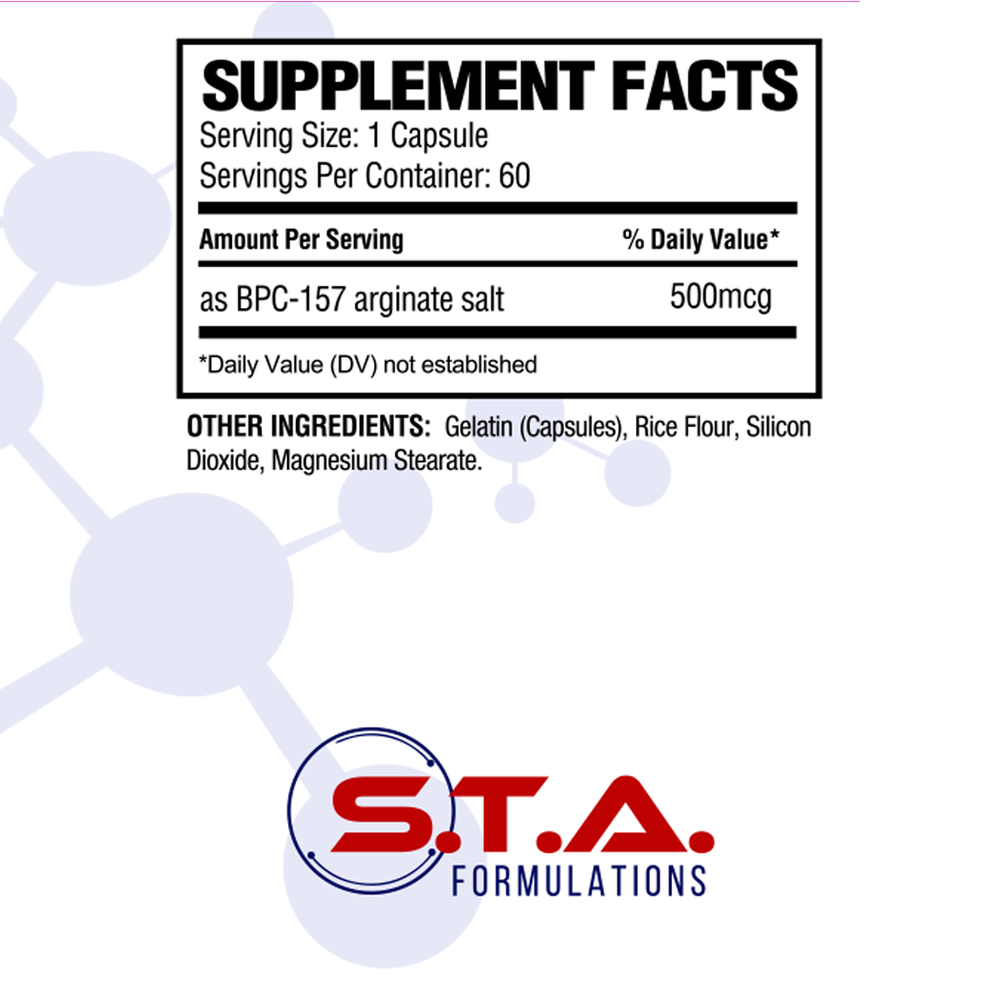
BPC-157 is a synthetic peptide commonly discussed in wellness-focused programs involving recovery support, mobility wellness, muscle support, and wellness-focused healing care
She was flexible and adjusted her schedule as necessary to accommodate my needs