Its bioavailability when taken orally is low due to its susceptibility to breakdown
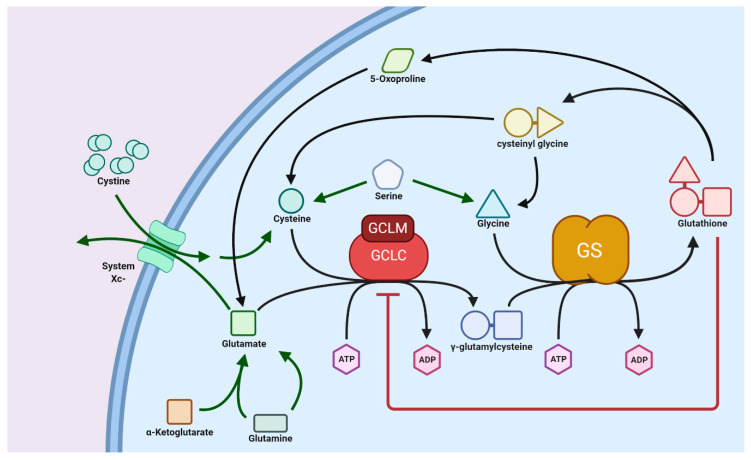
A small, measurable amount of APAP (2%) is excreted in the urine without having undergone any metabolism.8 Another portion of APAP (10%) is shunted by hepatic cytochrome CYP 2E1 (to a lesser extent with CYP 1A2 and 3A4) to phase I oxidation, in which a highly reactive toxic metabolite, N -acetyl-para-benzo-quinone imine (NAPQI), is formed.913 Phase III involves metabolite transport in the form of biliary excretion that requires transporters.8 APAP hepatotoxicity occurs through formation of the noxious NAPQI metabolite, which is present in excessive quantities, as augmented by features of glutathione (GSH) depletion, oxidative stress and mitochondrial dysfunction leading to depletion in adenosine triphosphate (ATP) stores.3,9,13 There is evidence to support the theory that the metabolic activation of APAP generates NAPQI that binds to a number of cellular proteins, especially mitochondrial proteins

Our Baltimore team reviews your history, tests the likely drivers, and recommends a protocol built for clearer thinking
SP might inactivate KEAP1, which allowed NRF2 to escape ubiquitination, accumulate within the cell, and translocate to the nucleus 28